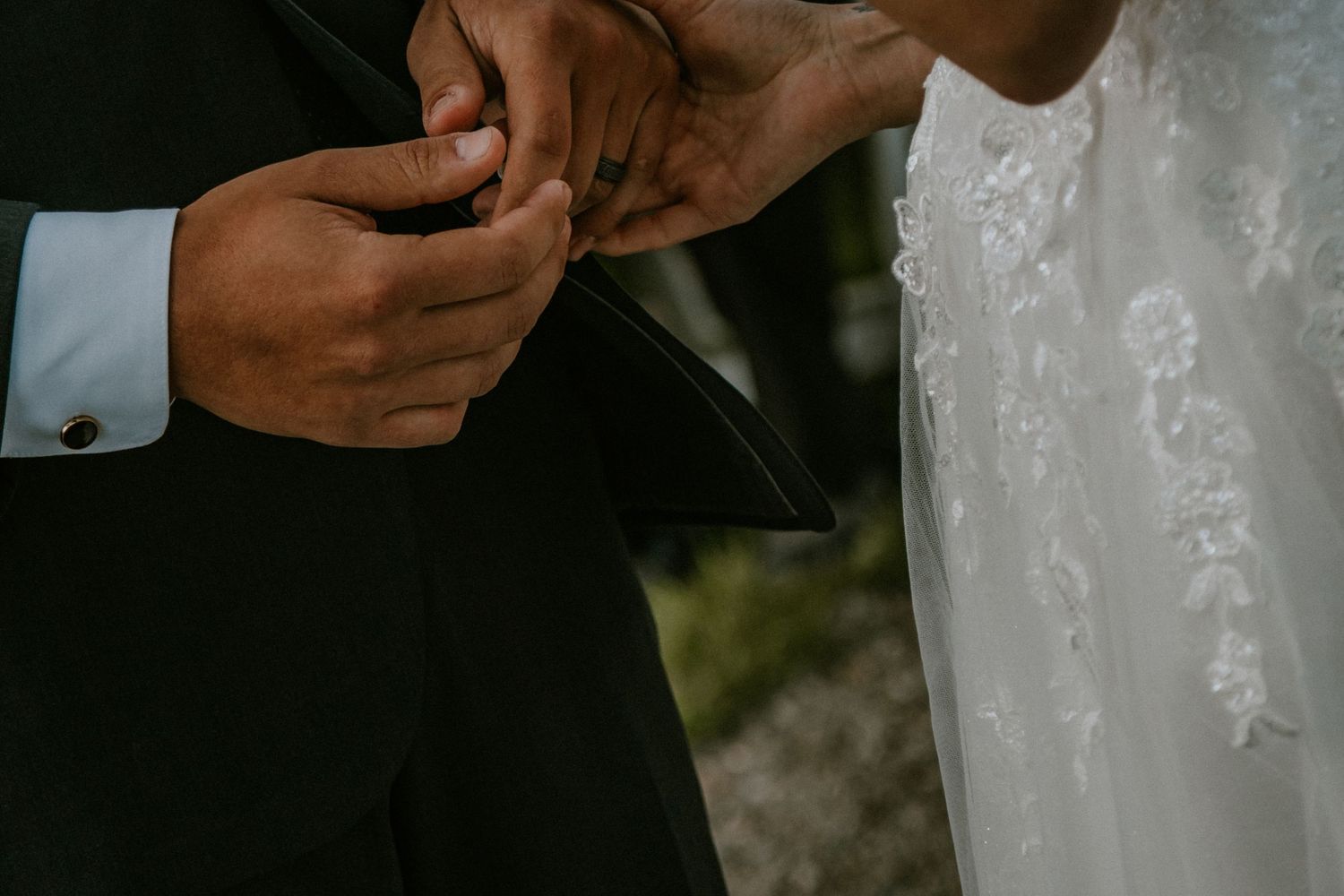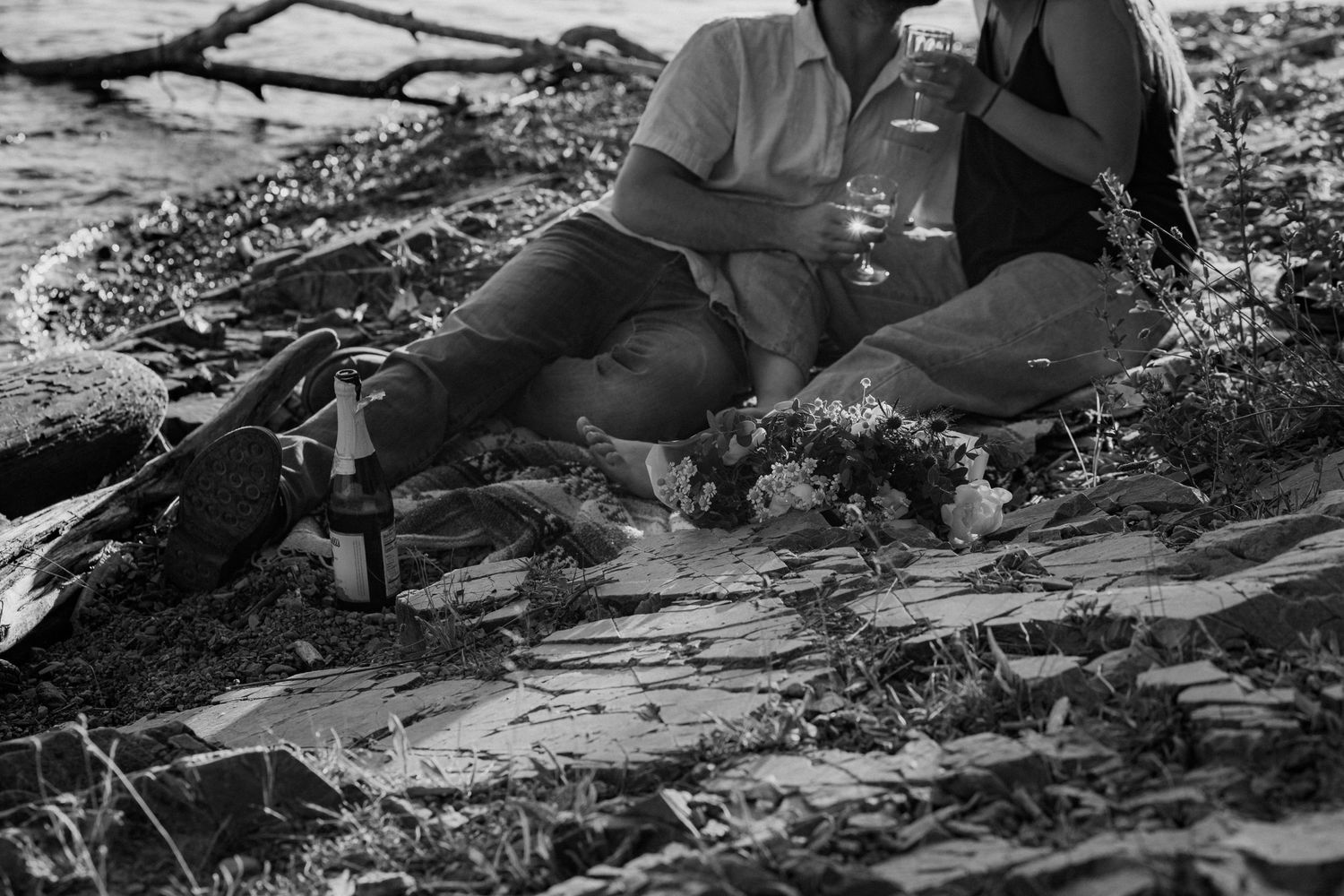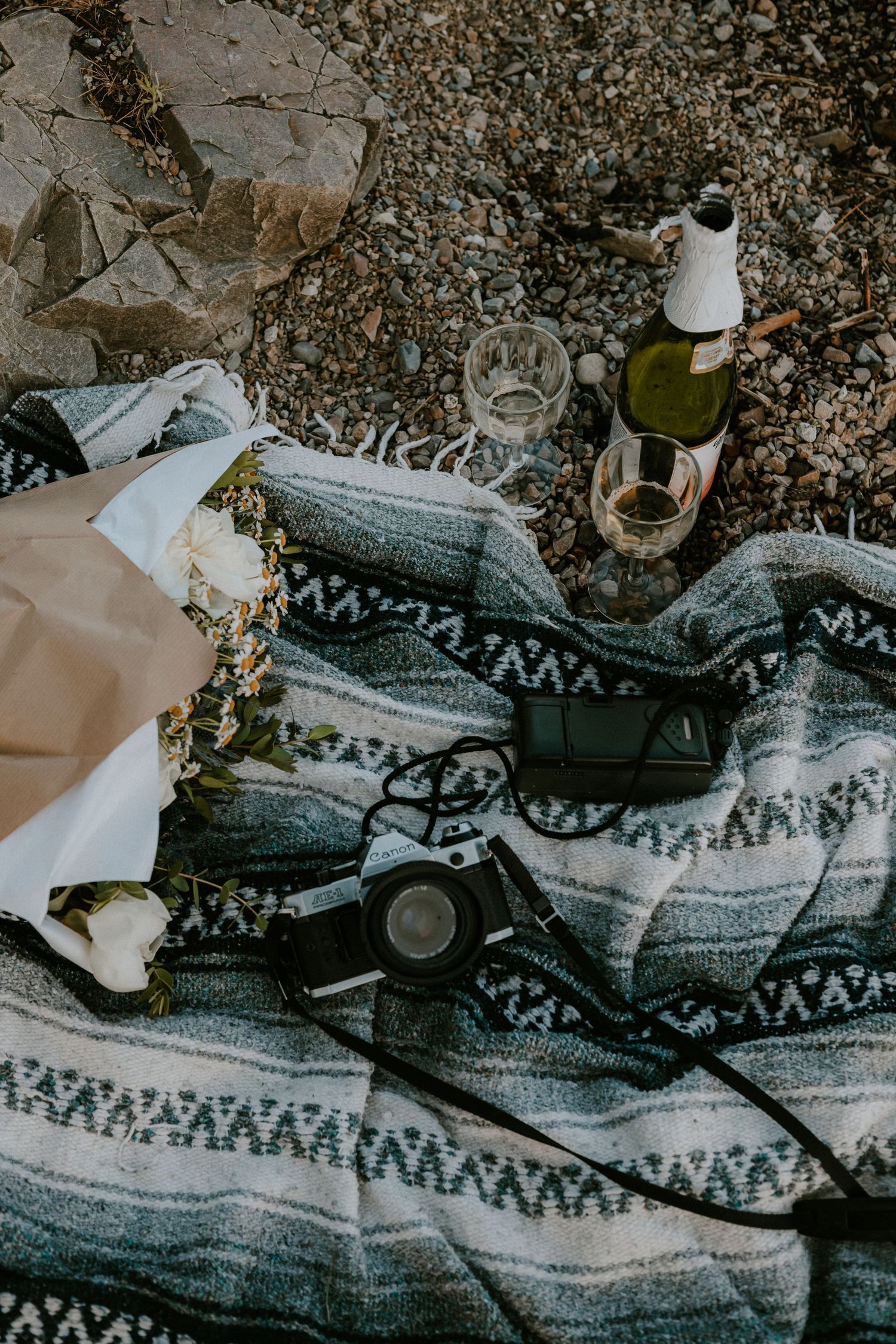
Before a photographer ever thinks about composition or a subject's expression, they're already responding to something quieter: the light. Light is the actual material of photography — it's what a camera is built to capture — and long before a person notices a beautiful photograph, they're noticing beautiful light without realizing it. Learning to read light isn't a technical skill so much as a way of paying attention. Once you start noticing it, you can't stop.
Why Light Changes the Feel of an Image
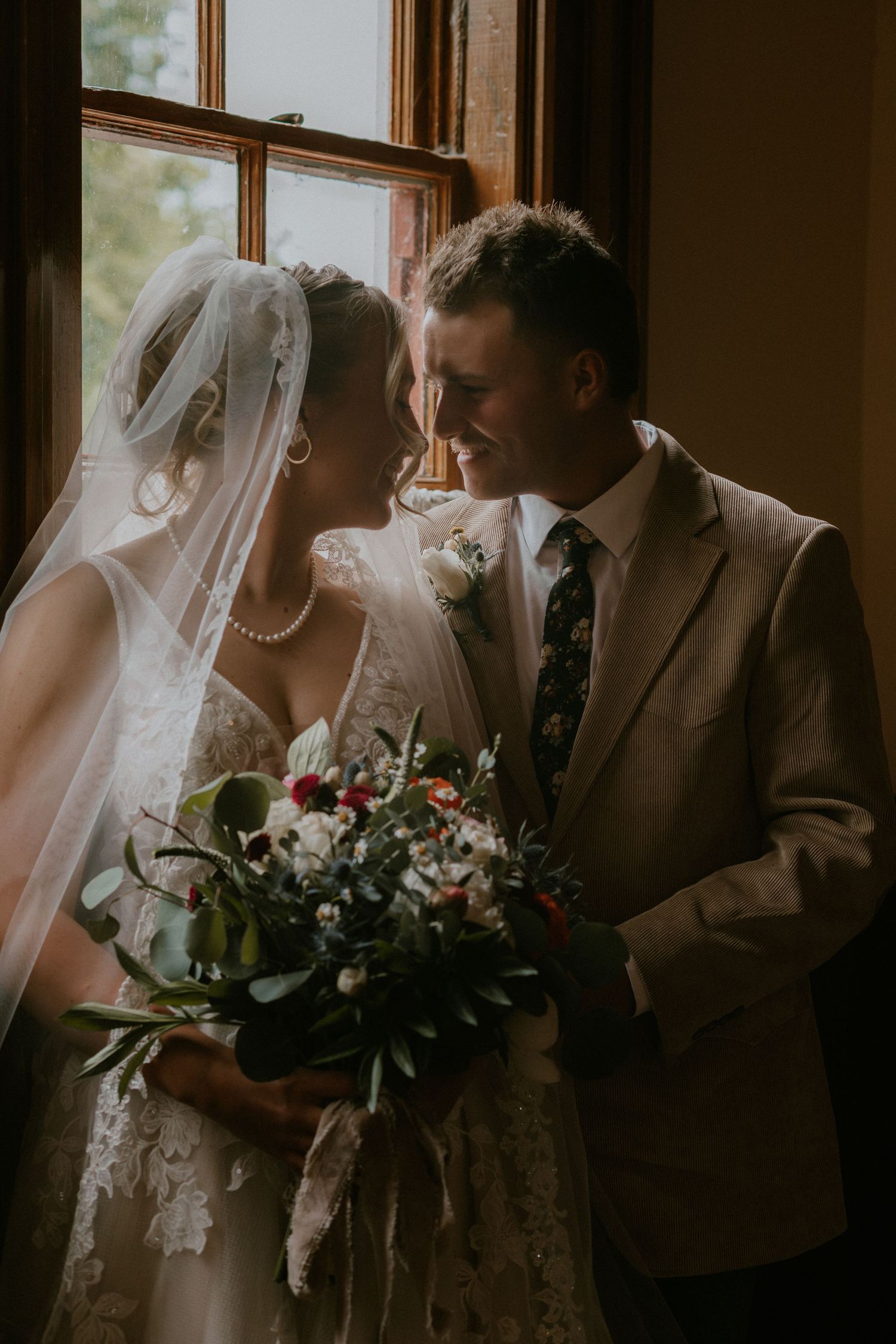
The same person, in the same outfit, in the same location, can look completely different depending on the light around them.
Hard, direct light creates deep shadows and high contrast, which can feel dramatic, edgy, or harsh depending on the moment.
Soft, diffused light wraps around a subject gently, smoothing shadows and creating a calmer, more intimate feeling.
Warm light (the kind found near sunrise and sunset) tends to read as nostalgic, romantic, or cozy, while cool light (overcast days, shade, early morning before the sun rises) often feels more honest, quiet, or editorial.
None of these are better in an absolute sense — they're tools, and the right one depends on the mood you're trying to capture.
Golden Hour
Golden hour refers to the hour or so after sunrise and before sunset, when the sun sits low on the horizon. Because the light is traveling through more atmosphere at that angle, it becomes softer and warmer, casting a gentle glow and long, flattering shadows.
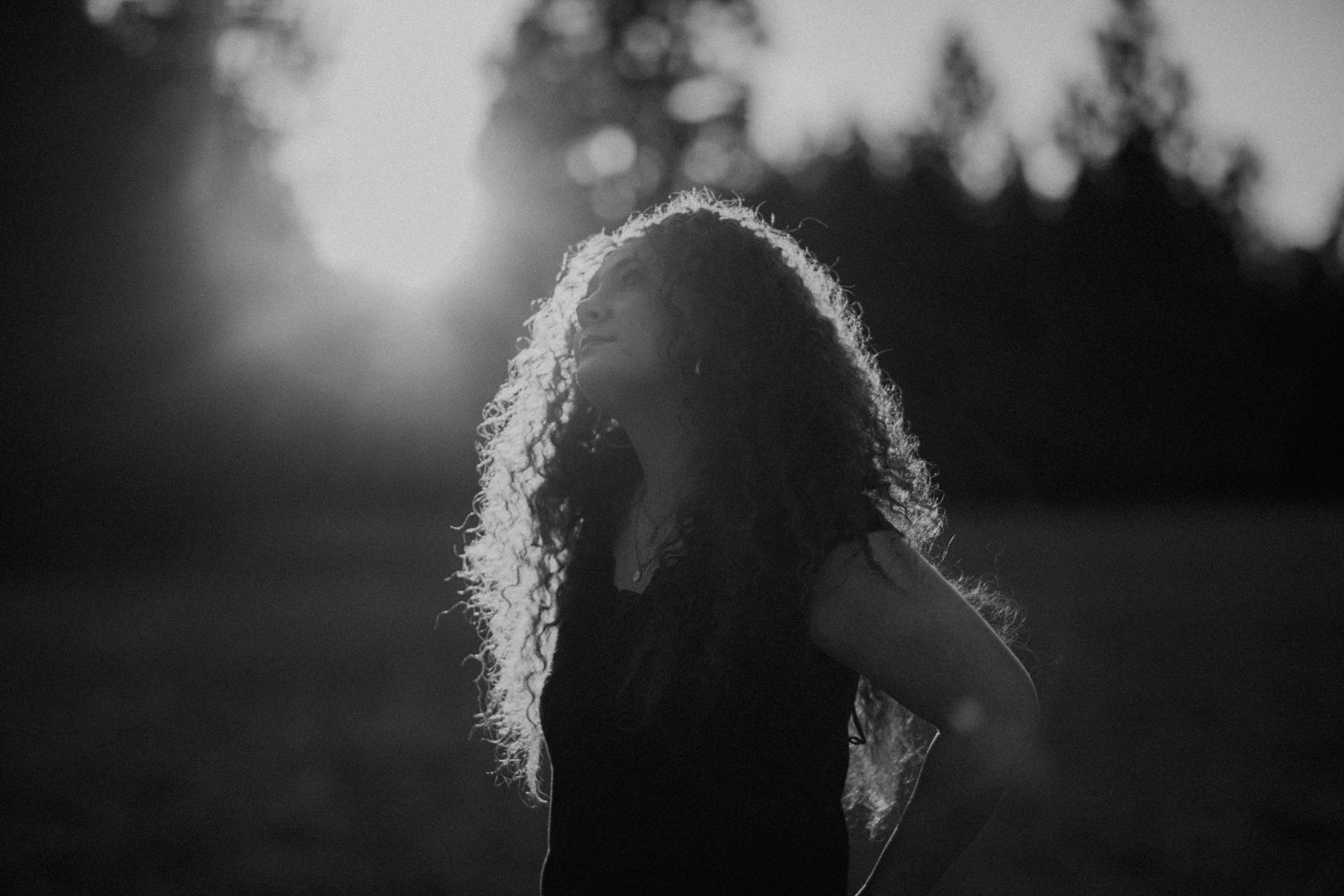
This is why golden hour is so beloved for portraits: it's warm without being harsh, and it gives photographers a natural backlight option that can create glowing hair and soft silhouettes.
The tradeoff is timing — golden hour only lasts a short window, and it moves fast, so sessions built around it need to be planned with the sunset time in mind, not just evening.
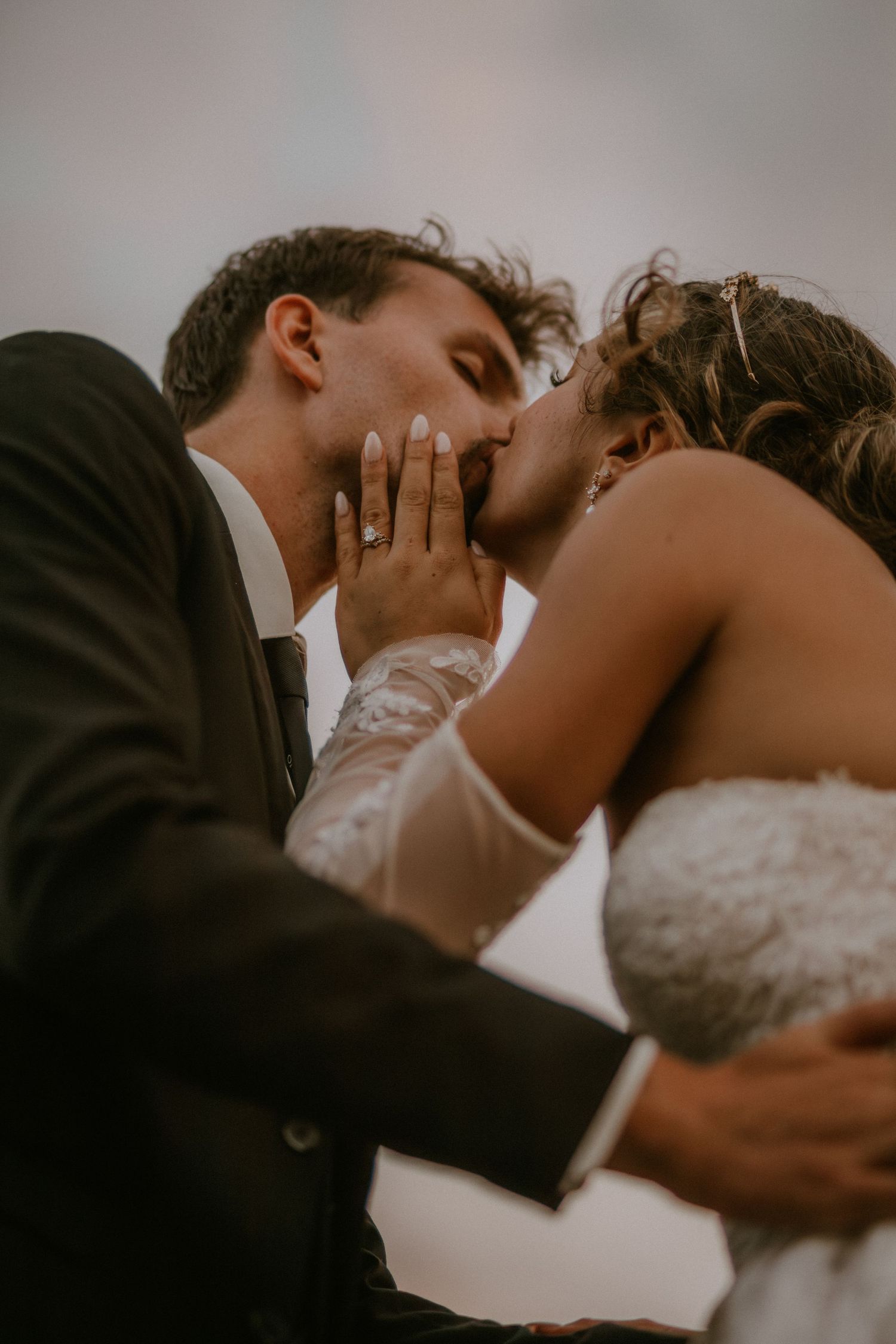
Blue Hour
Just before sunrise and just after sunset, there's a brief period where the sun is below the horizon but the sky still holds a soft, cool blue light.
Blue hour has a completely different emotional register than golden hour — quieter, more subdued, sometimes moody. It's less commonly used for standard portraits because it's dim and short-lived, but it's a favorite for atmospheric or cinematic images.
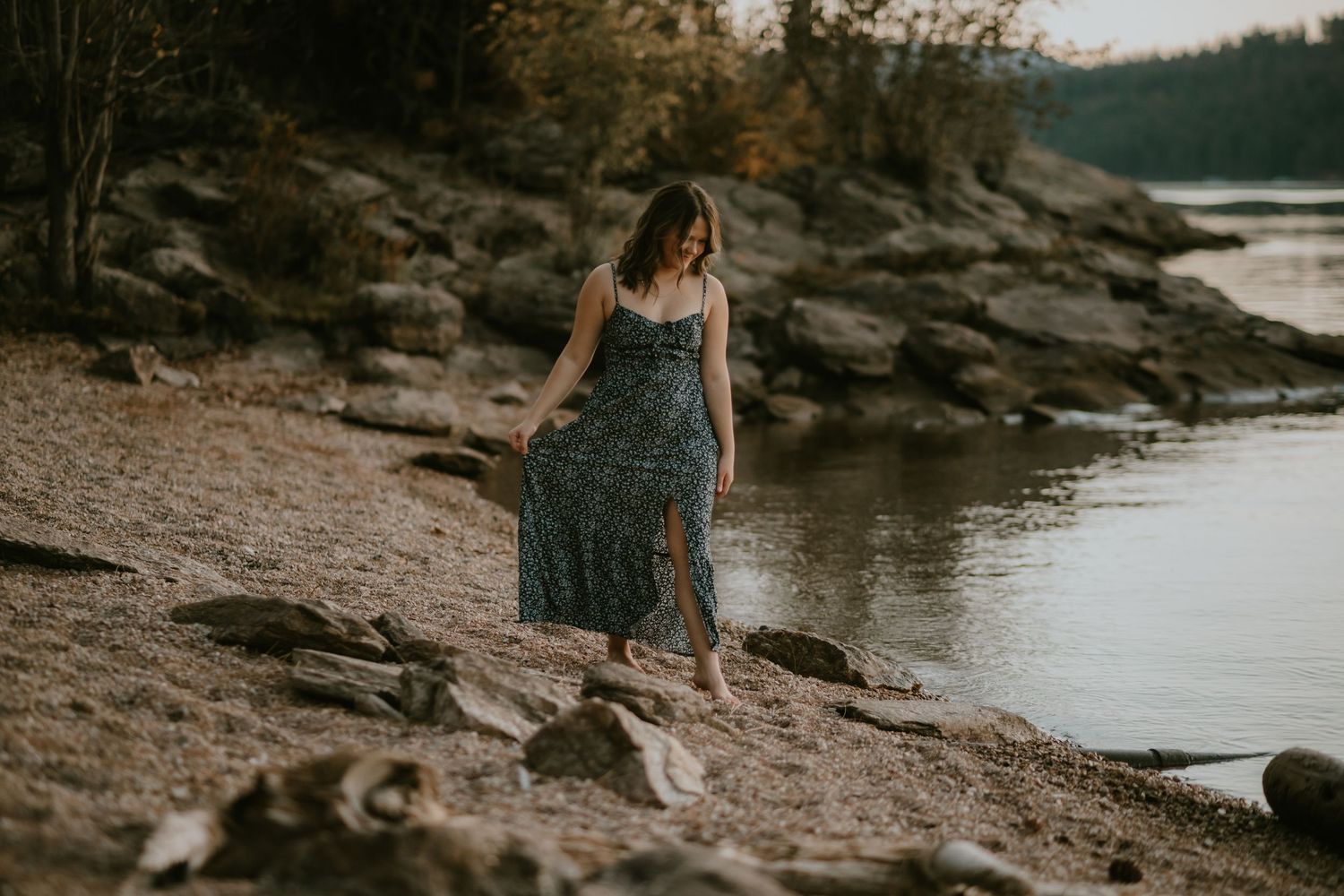
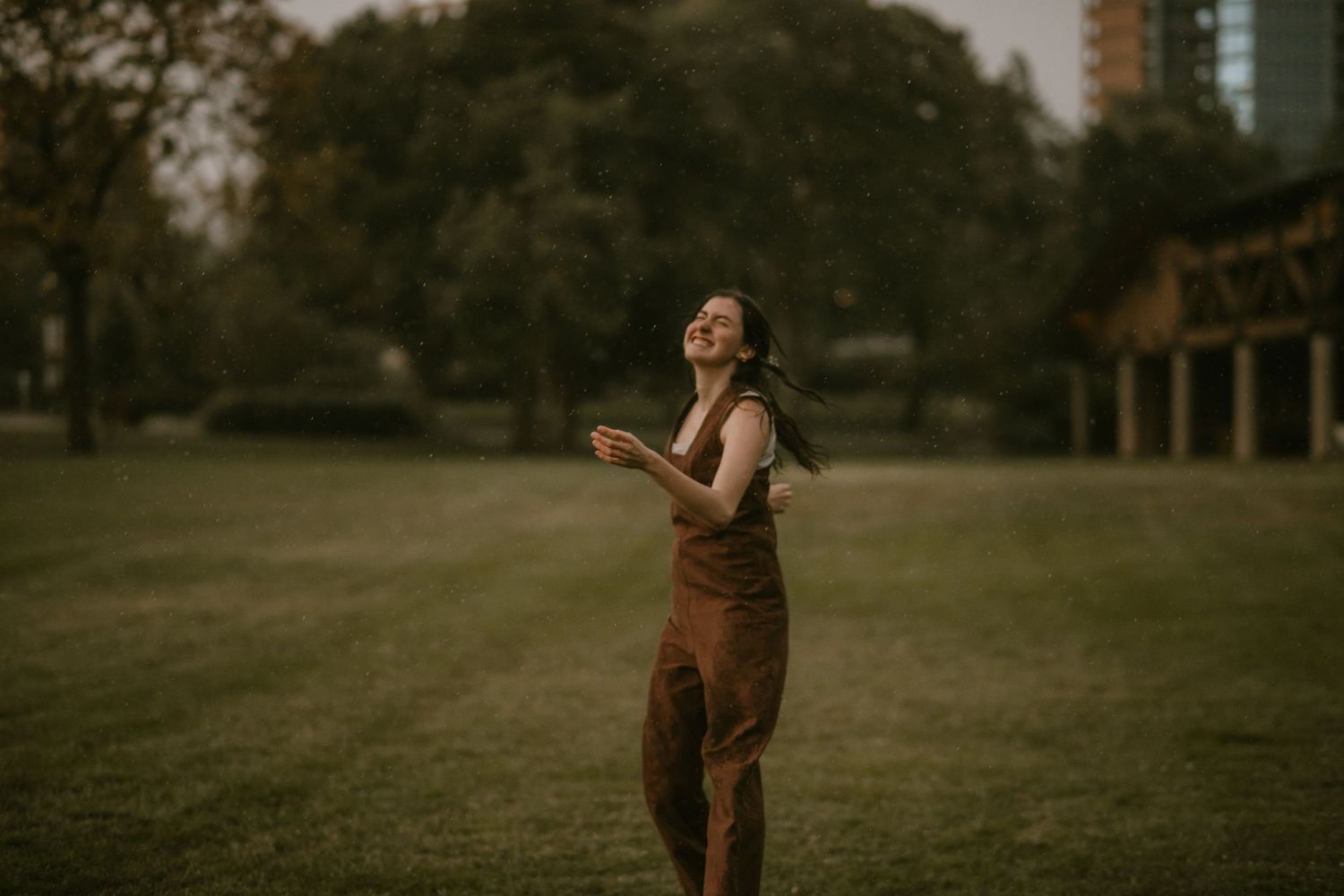
Clouds act as a giant natural diffuser, scattering sunlight evenly across the sky instead of letting it hit a subject directly from one point. This is why so many photographers actually prefer overcast days for portraits over full sun: the light is soft and even, shadows are gentle, and there's far less risk of a subject squinting or getting harsh shadows under their eyes and nose.
Overcast light is also very forgiving — it looks good at almost any time of day, not just during a specific window — which makes it a reliable, low-stress choice, even if gray sky doesn't sound as glamorous as golden hour.
Mid-Day Sun
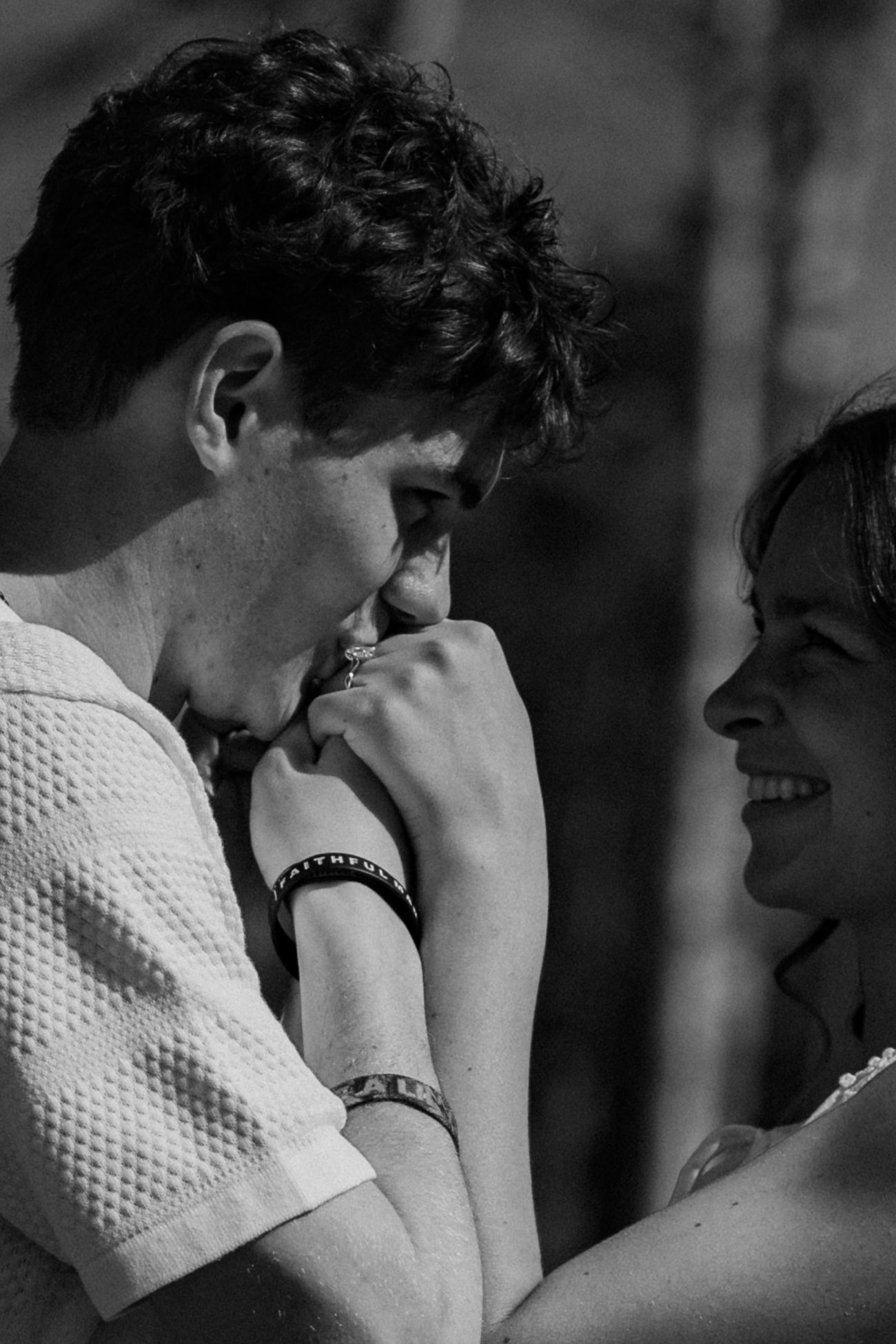
Midday, when the sun is high overhead, is usually considered the hardest lighting condition to work with. It creates strong, high-contrast shadows — especially under eyes, noses, and chins — and that contrast can be difficult for a camera to capture evenly. It's why so many photographers avoid scheduling sessions in the middle of the day if they have any flexibility at all.
But "hard to work with" isn't the same as "bad." Open shade, diffusers, or reflectors can tame it if you want softer results — yet plenty of the most striking, real-feeling images come from doing the opposite: letting that harsh light hit the frame and leaning into the contrast instead of fighting it. Deep shadows and bright highlights can give a photo weight and rawness that flatter, gentler light doesn't. It comes down to what you're after — soft and forgiving, or a little more honest and unpolished.

An example of harsh light and shadow done right — contrast used on purpose, not avoided. Adding emotion, vulnerability & intimacy.
Embracing Shadows & Full Sun
Not every beautiful photograph is softly lit. Sometimes the most striking images come from doing the opposite of what you're taught to reach for — pointing your subject straight into hard, direct light and letting the shadows fall where they will. Harsh light isn't a mistake to avoid; it's a tool, and it tells a different kind of story than golden hour does.
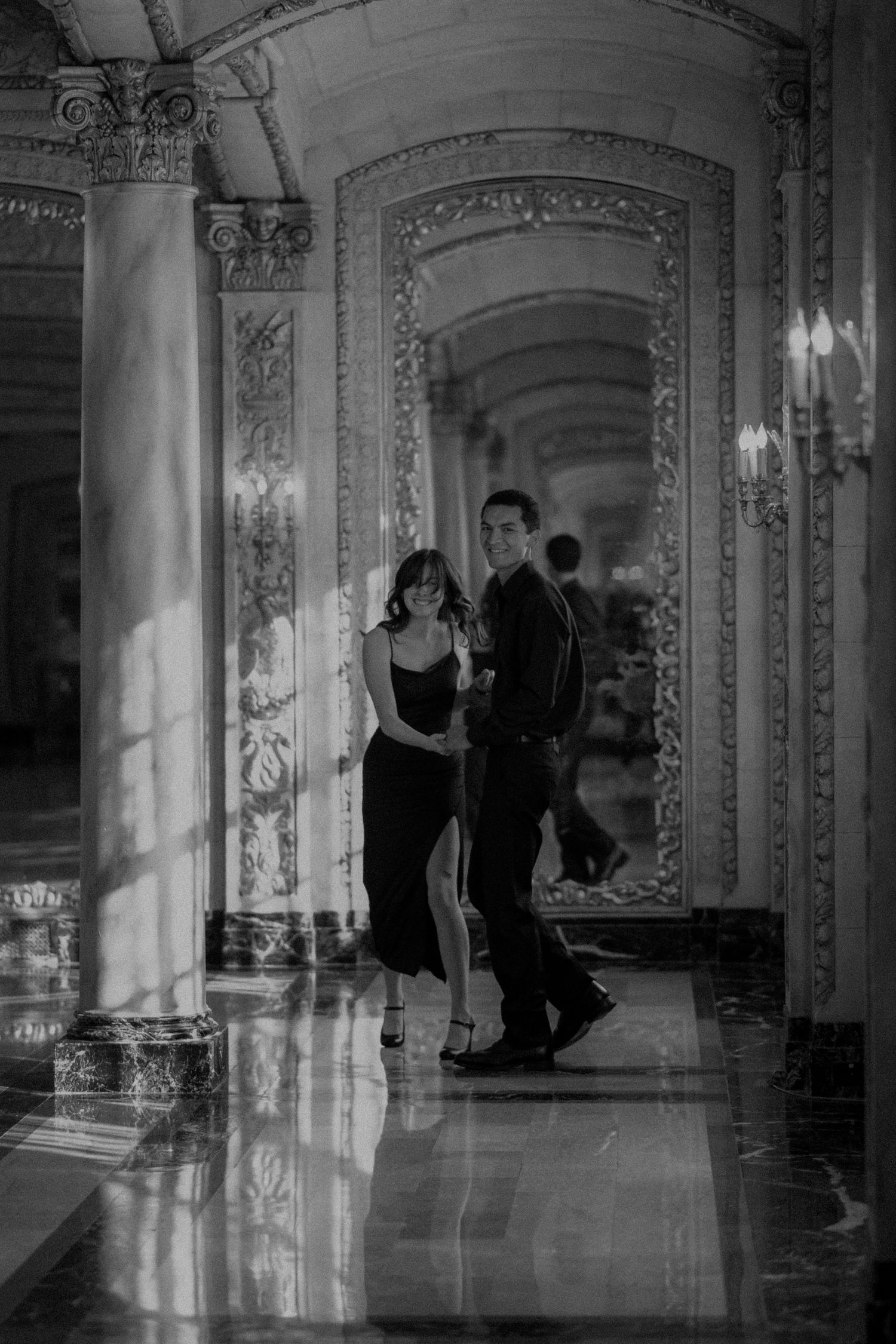
When light is direct and undiffused, it carves out contrast. Shadows deepen, edges sharpen, and a face or a scene takes on weight and drama it wouldn't have in flatter light. This is the look behind a lot of film photography and cinema — think of the deep shadow under a hat brim at noon, or a single shaft of window light cutting across a room. It reads as moody, intentional, even a little mysterious.
The instinct when you see harsh shadows is often to chase them away — move your subject, wait for a cloud, find open shade. But part of learning to notice light is learning when not to soften it. A shadow across half a face can hold as much feeling as a perfectly lit one. Cutting light through blinds, trees, or a doorway can turn an ordinary room into something cinematic. The goal isn't harsh light for its own sake, but recognizing when contrast serves the mood you're going for — and choosing it on purpose, instead of just tolerating it.
Side light — shadow and light in conversation, each doing something the other can't.
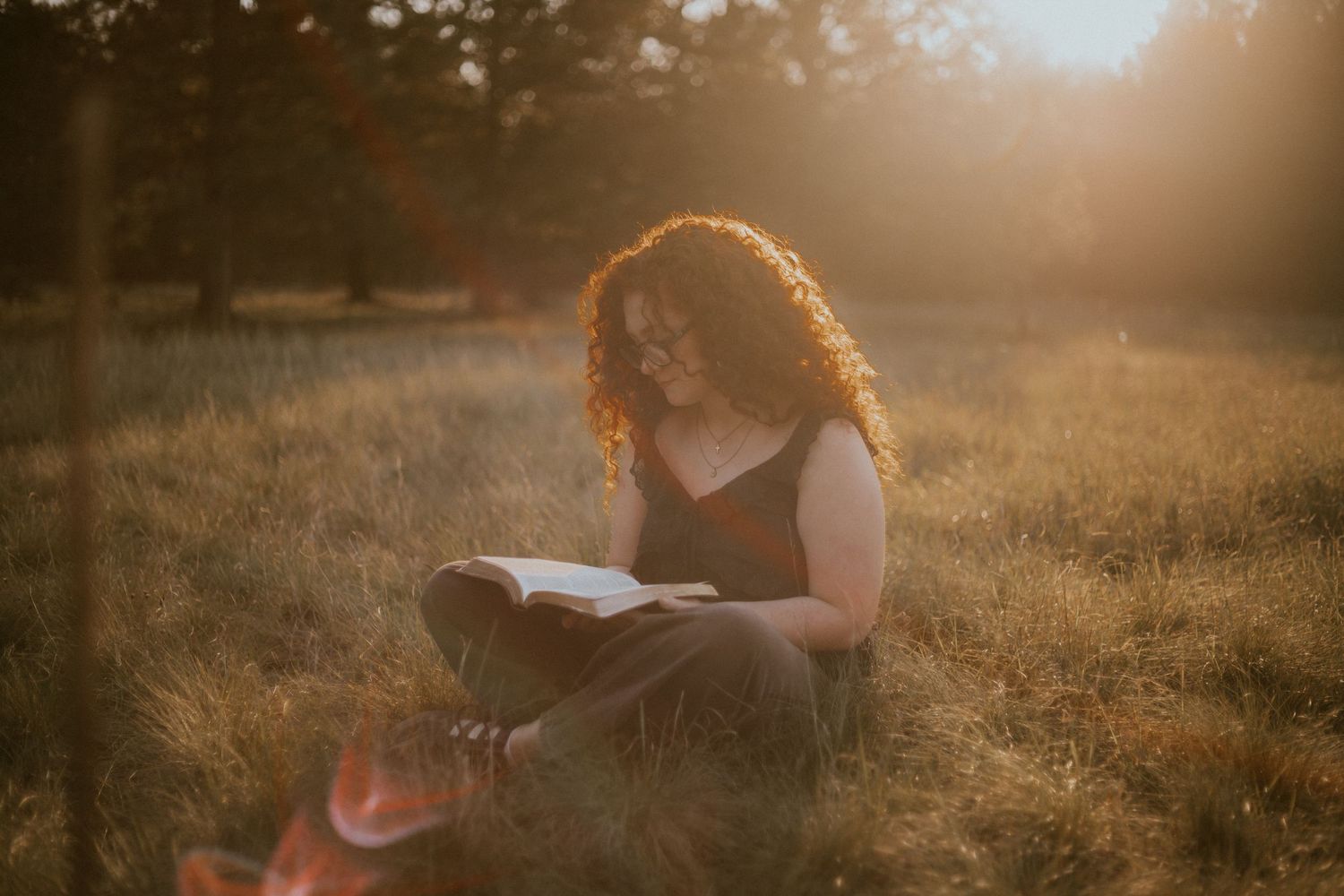
Backlight — sun behind them, light wrapping the edges, the world softening around the frame.
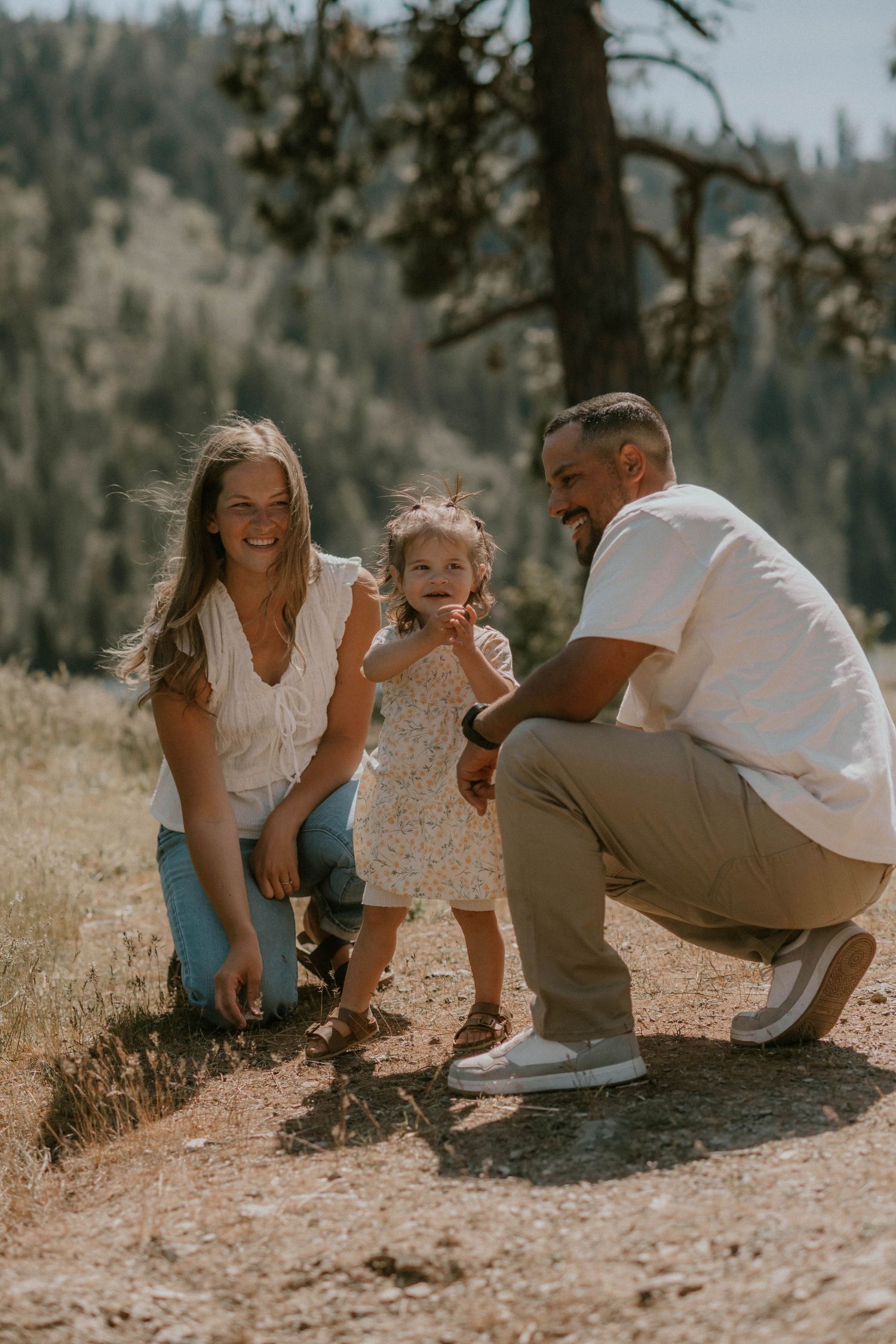
Overhead light — bright and direct, the kind that sharpens everything. Still beautiful, just different.
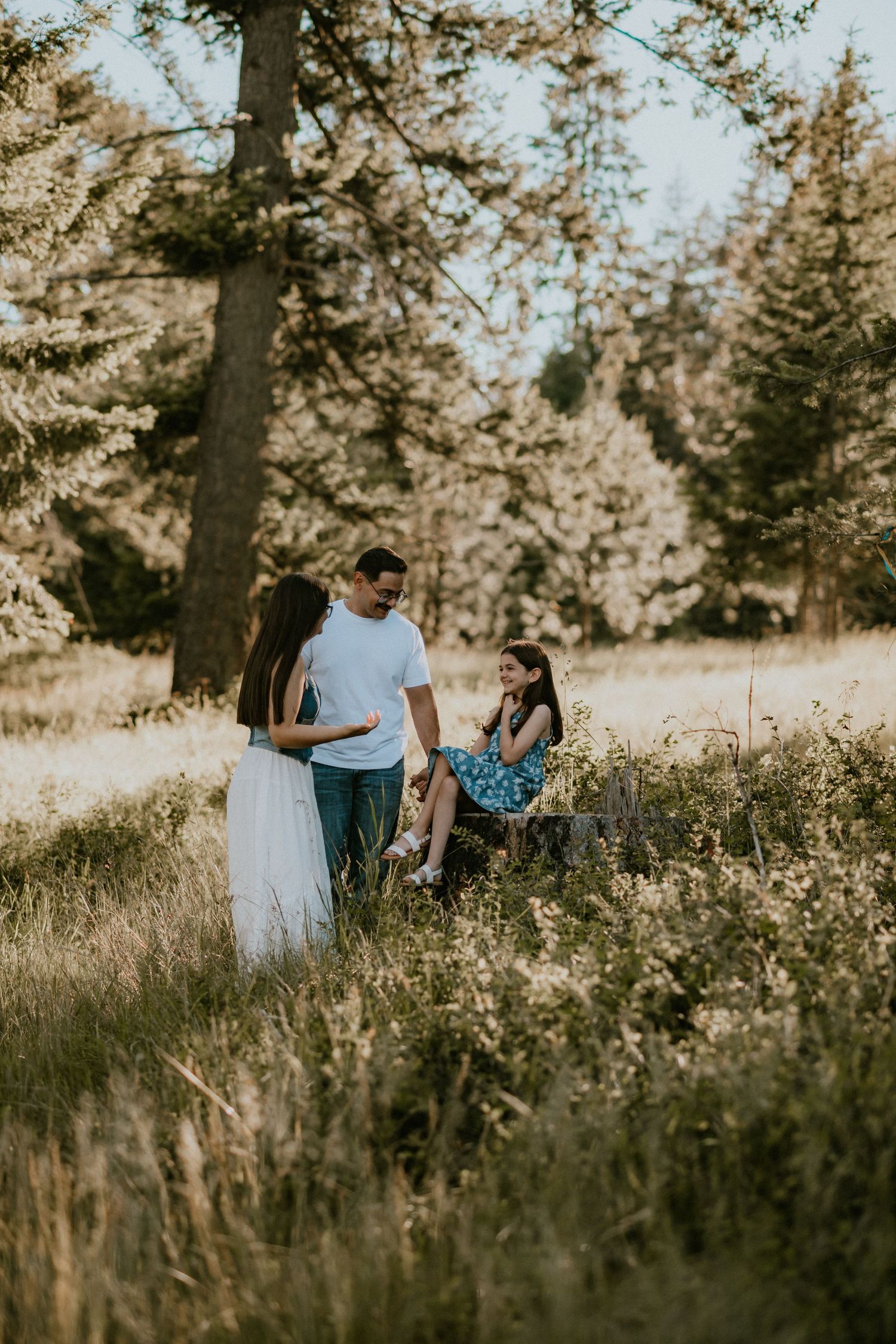
Open shade
Open shade — standing under a tree, beside a building, or under an overhang, while still facing an open sky — is one of the most useful tools in a photographer's back pocket, especially at times of day when golden hour isn't an option.
It blocks direct harsh sunlight while still allowing plenty of soft ambient light to reach the subject, giving a similar gentleness to an overcast day even under a clear sky.
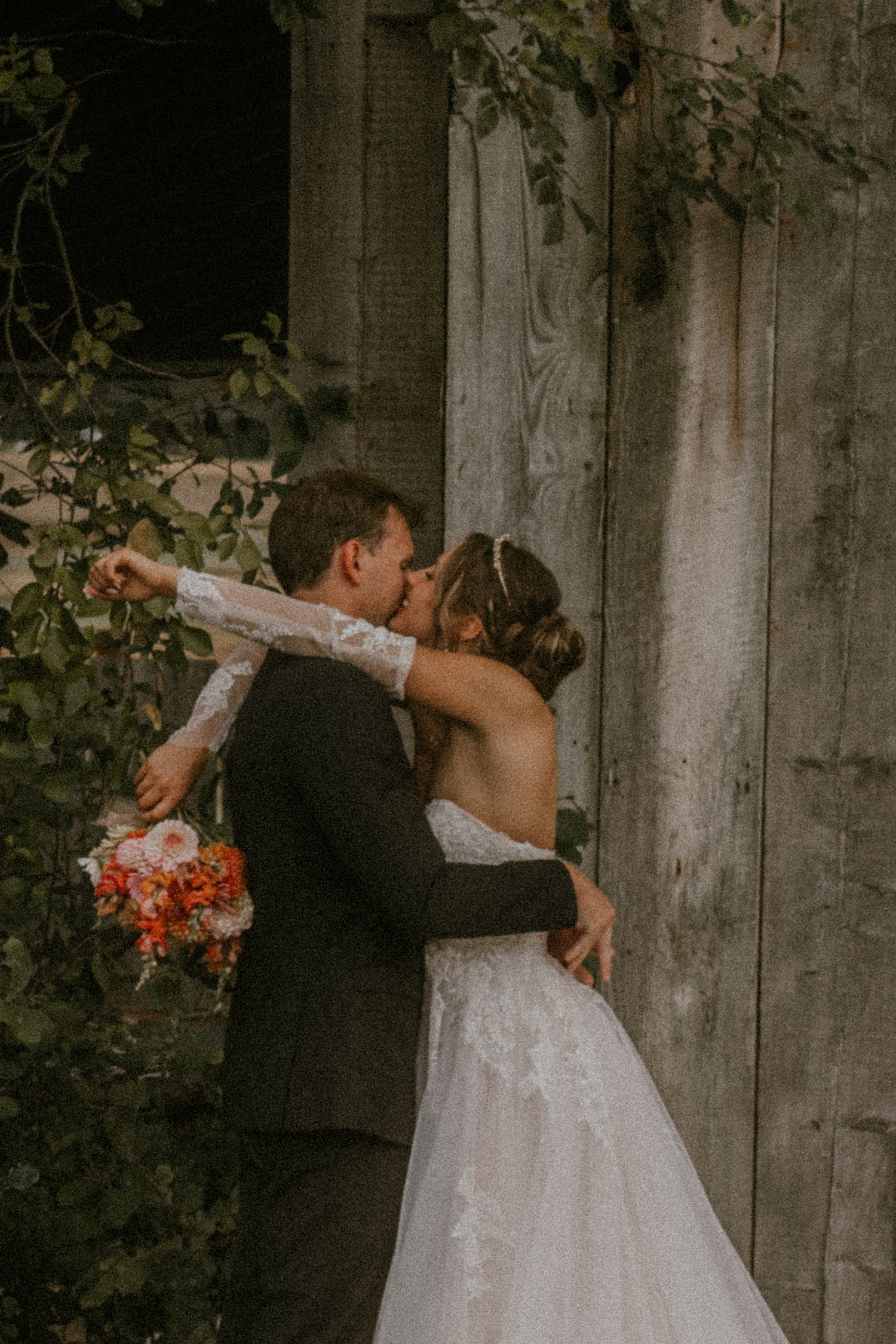
Window Light
Indoors, a large window facing north or away from direct sun acts much like an overcast sky: soft, even, and directional without being harsh.
This is why so many indoor portraits and lifestyle photos are shot near windows rather than under harsh overhead lighting — it's one of the simplest ways to get flattering, natural-feeling light without any equipment at all.
Using Flash - On Purpose
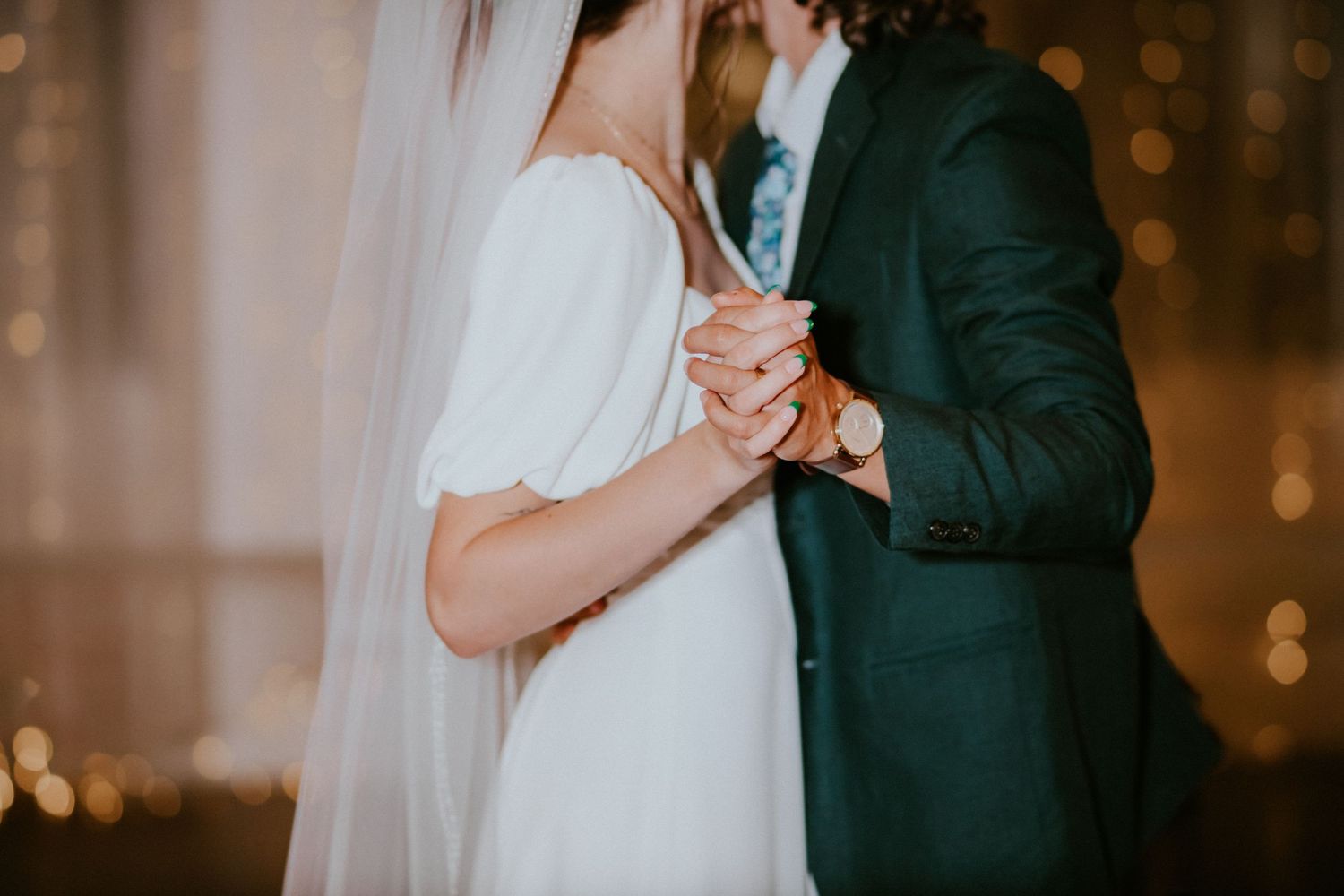
Flash has a reputation for being the thing you reach for only when you're desperate — the room's too dark, the sun's already down, there's no other option. But used on purpose instead of as a backup plan, flash becomes a creative choice with its own distinct look, not just a fix for bad light.
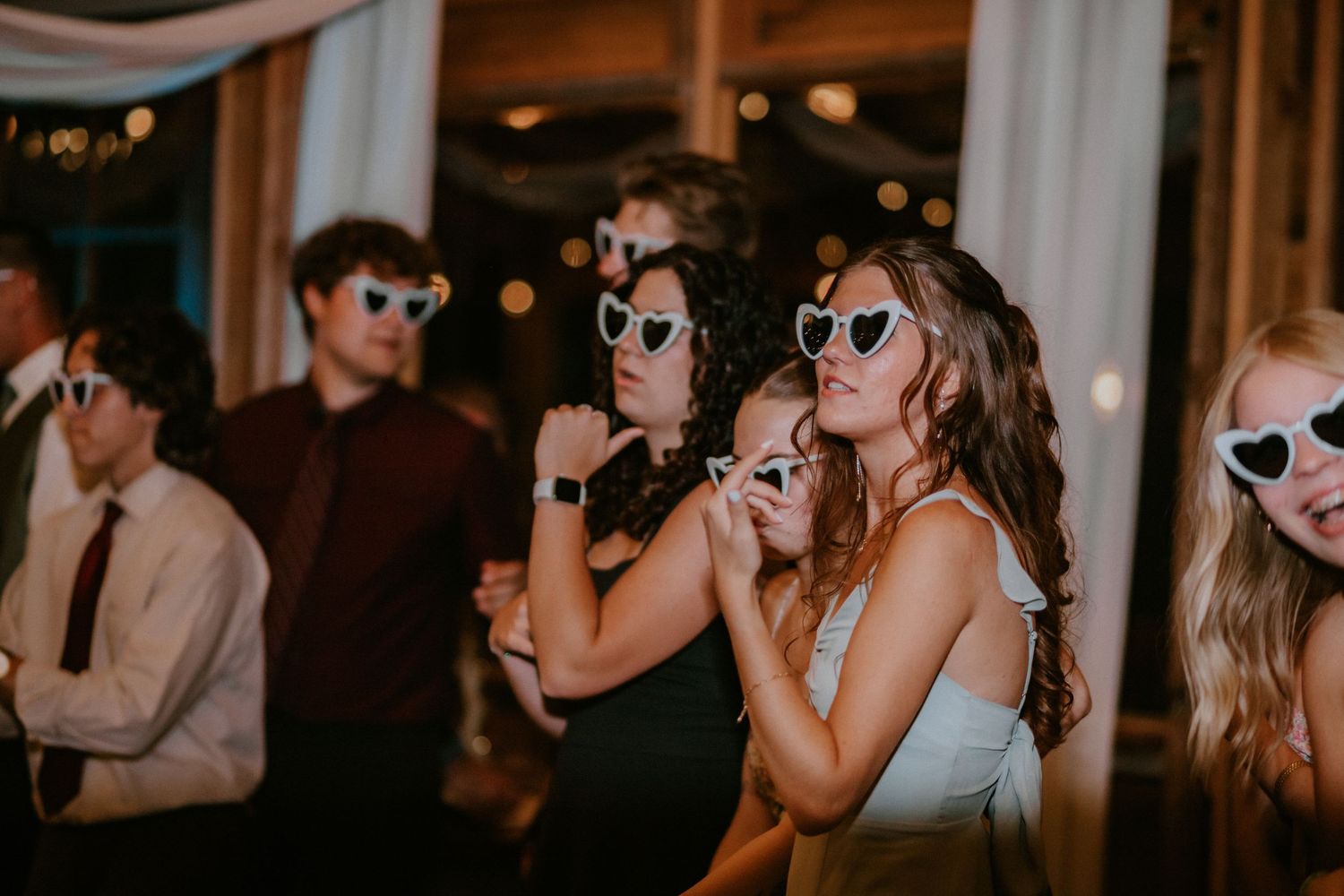
Bounced flash, aimed at a ceiling or wall instead of straight at your subject, softens into something that can look almost like window light — useful indoors when there's nothing else to work with. Direct, on-camera flash does the opposite: it flattens shadows, adds a bit of grain and contrast, and gives images that raw, caught-in-the-moment feel that's become popular in candid and editorial photography. And flash used deliberately in daylight — called fill flash — can soften harsh shadows on a face without erasing them entirely, which is handy on a bright afternoon when the sun alone is too unforgiving.
The point isn't to master flash technically right away. It's to notice that flash is a light source you control, not just a rescue tool — and that "properly lit" isn't the only goal. Sometimes the slightly harsh, direct look of an on-camera flash is exactly the mood a photo needs.



Putting It Into Practice
For photographers, the real skill isn't memorizing these categories — it's building the habit of noticing where the light is coming from, how hard or soft it is, and how it's shaping the mood of a scene before ever raising a camera.
For clients preparing for a session, the most useful takeaway is simpler: if you have any say in timing, golden hour or an overcast day will almost always give the most flattering, forgiving results, and if your session has to happen midday, ask your photographer about shooting in open shade.
At its core, this is really what the art of noticing means in practice: light is always doing something, all day, everywhere. Learning to see it is the first real step toward learning to create with it.